
Repairs
Elements, thermostats, relief valves and the sacrificial anode. We carry the common parts so most faults are fixed in one visit.
Electric storage tanks are the most common hot water system in Caboolture homes, and the most common one we replace. Caboolture Plumbing and Hot Water repairs elements, thermostats and valves, swaps failed tanks like for like, and installs instantaneous electric units where a tank does not fit.
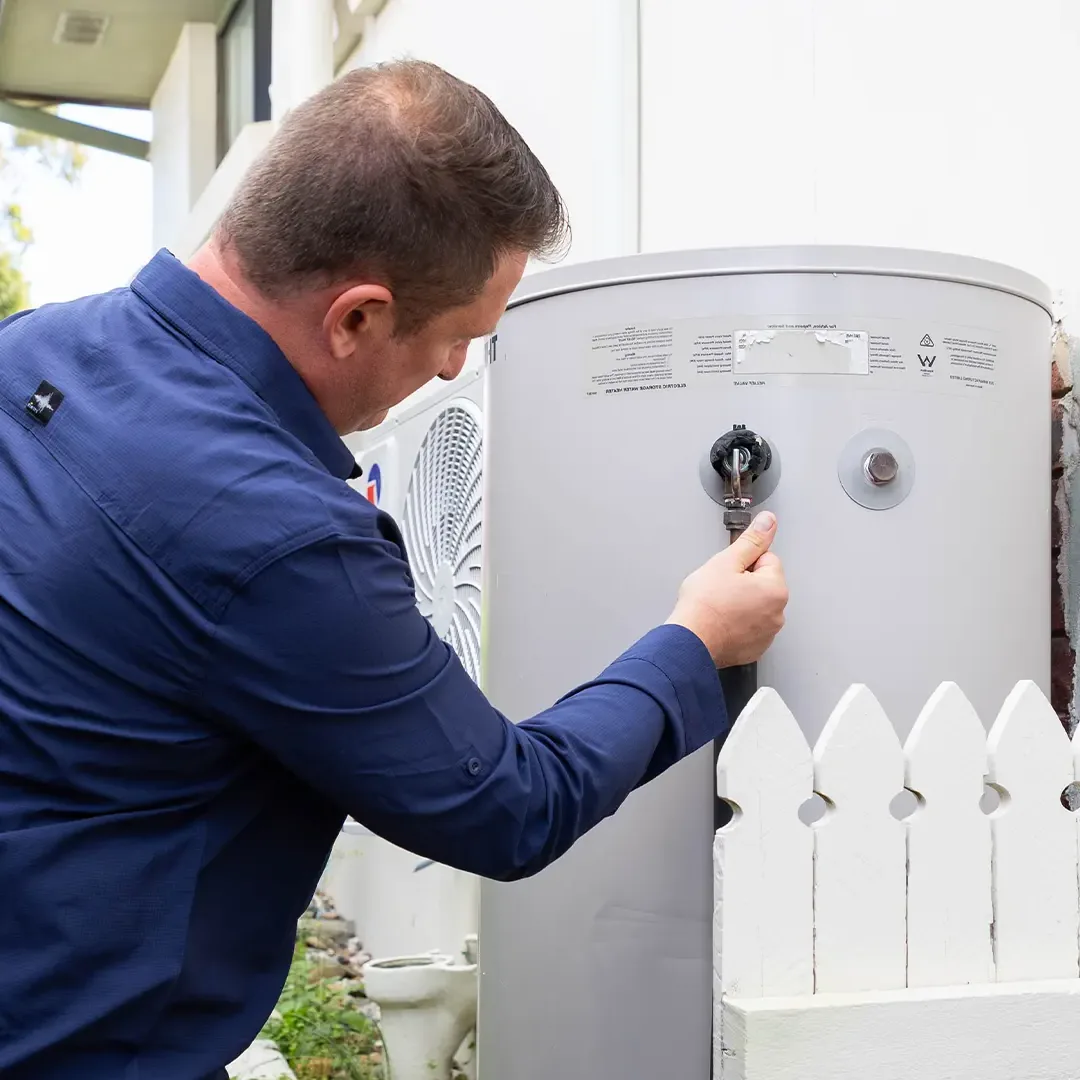
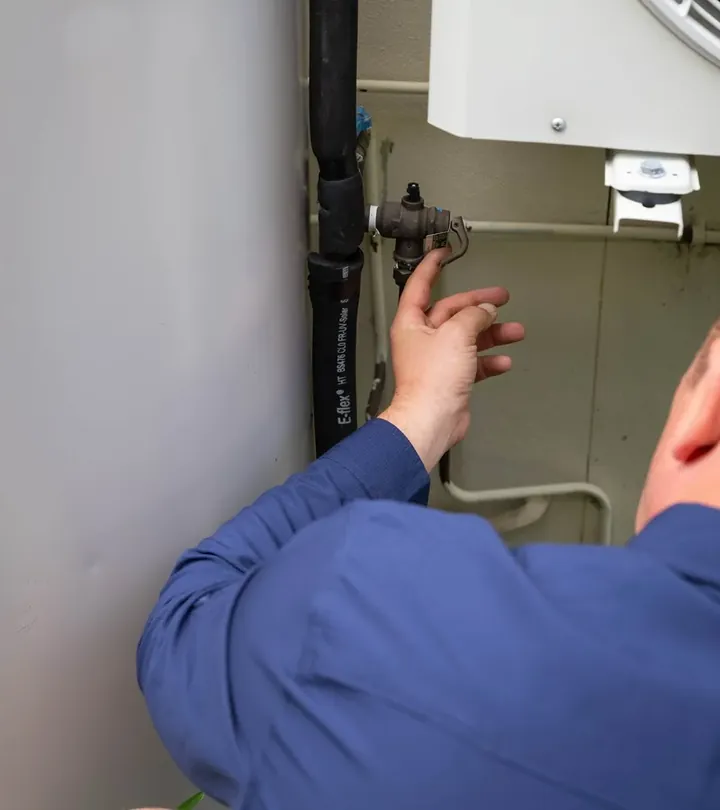

Elements, thermostats, relief valves and the sacrificial anode. We carry the common parts so most faults are fixed in one visit.
A failed tank swapped for a new one of the right size, with new valves and a tempering valve where required.
Correctly sized units for new builds, extensions and granny flats, with the electrical connection made by a licensed electrician.
Anode check, relief valve test, sediment flush and a look at the electrical components.
A tank that is under about ten years old with a single failed part is worth repairing. No hot water at all is usually a failed element or thermostat, or a tripped safety switch. Water that is too hot is a thermostat. A dripping relief valve is a valve. All of these are same-visit repairs with the parts on the van.
Water weeping from the tank body is different. The cylinder has corroded through and cannot be repaired, so that tank is replaced. A tank on its second or third fault after ten years is usually replaced too, because the next fault is not far away.
Rusty water or a rotten-egg smell point to the sacrificial anode. Replacing it is cheap and extends the life of the tank, but only if the tank has not already started to corrode.
It costs the least to buy, works in almost every home without new infrastructure, and the parts are simple. The running cost is the trade-off. On a standard tariff it is the most expensive system to run, which is why a heat pump is worth considering when the tank fails, especially in a home with solar panels. We explain the difference in running cost for your household before you choose.
Most like-for-like swaps are done in a few hours. If the new unit is a different size or type, we say so and price it before starting.
Tell us the system type, roughly how old it is and what it is doing. Send a photo of the rating plate if you can.
The plumber tests the element, thermostat, valves or burner and looks at the tank and the connections before saying repair or replace.
Repair is priced first. If the unit is not worth repairing, you get the replacement options with their prices before deciding.
The repair or the new unit is installed, tested with water running and explained. The old unit leaves with us on a replacement.
Water has usually reached the element terminals or the thermostat through a failed element seal or a leak inside the cover. Turn the circuit off and call; running it will keep tripping and can damage the switchboard.
About 8 to 12 years is typical. Tank water, a neglected anode and a hot, humid location outdoors shorten that.
Often, when a common size is on the van or available locally. We tell you at the time of booking rather than promising it here.
A like-for-like swap on the existing circuit is plumbing work. A new circuit, a bigger unit or an instantaneous system needs a licensed electrician, and we arrange that as part of the job.
Call 1300 568 203 or book online. A photo of the tank's rating plate helps us bring the right parts.