
Flat plate collectors
A glazed panel with copper tubing that absorbs heat directly. The classic option, generally the more affordable, and suited to most Queensland roofs.
Hot water is one of the biggest single items on a household power bill, and a Caboolture roof gets plenty of sun. Caboolture Plumbing and Hot Water installs, services and repairs solar hot water systems, from the collectors on the roof to the booster and valves at the tank.

A glazed panel with copper tubing that absorbs heat directly. The classic option, generally the more affordable, and suited to most Queensland roofs.
Rows of glass vacuum tubes that hold heat better through cool or overcast stretches, at a higher upfront cost.
The tank sits on the roof above the collectors and hot water rises into it by convection. No pump or controller, but a heavy load on the roof.
Collectors on the roof and the tank at ground level, with a pump between them. Easier to service and lighter on the roof.
Collectors absorb heat from the sun and pass it to water stored in an insulated tank. An electric element or a gas booster tops up the temperature when the sun has not done enough. That is the whole system, and the booster setting is the part most owners never look at.
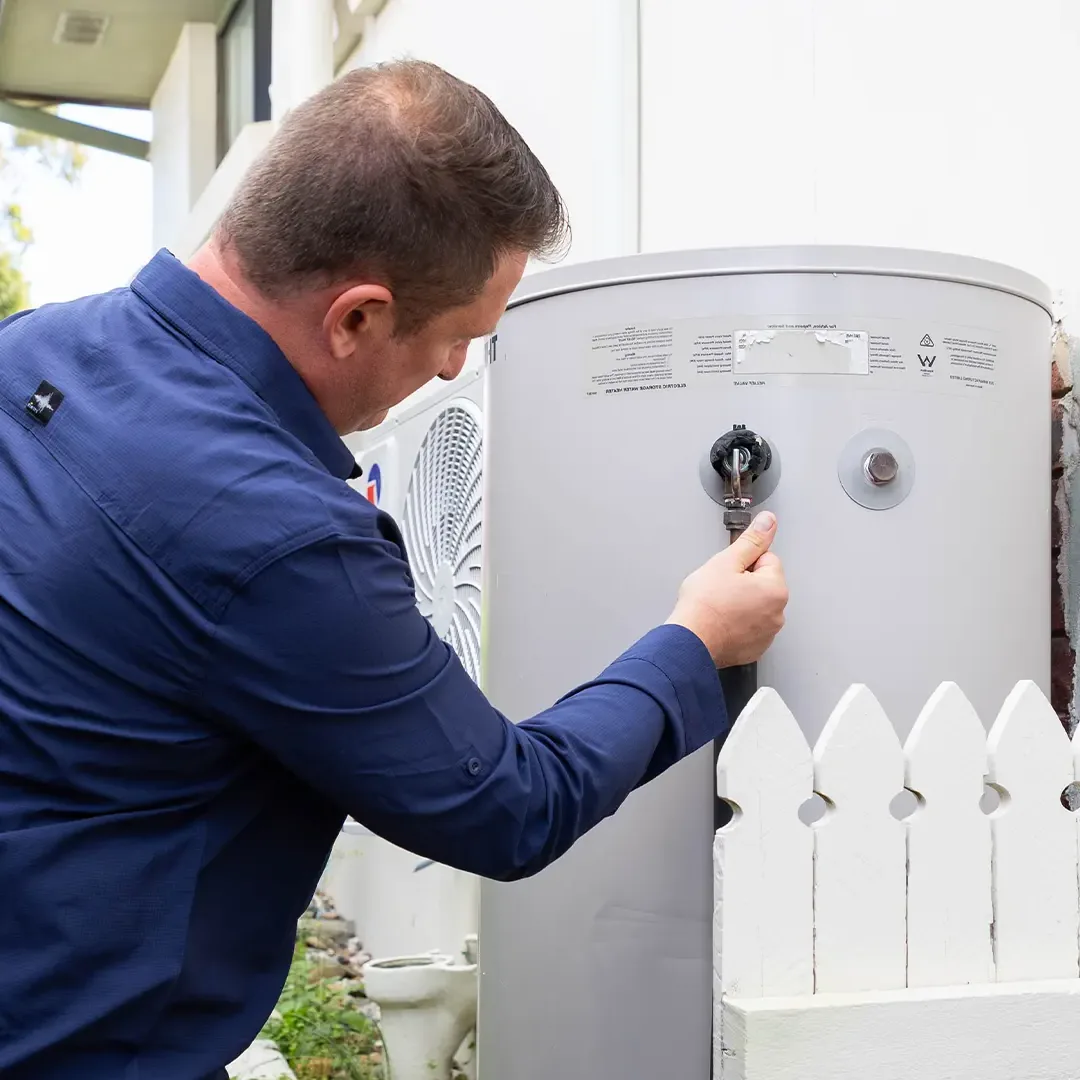
A heat pump is often mentioned alongside solar but works differently: it takes heat from the surrounding air, not from sunlight, and has no collectors. It is worth understanding the difference before comparing prices, and we cover both on the same visit.
Roof orientation, shading and household use decide the collector area and tank size. Undersizing leaves a household short in winter, so we assess before quoting.
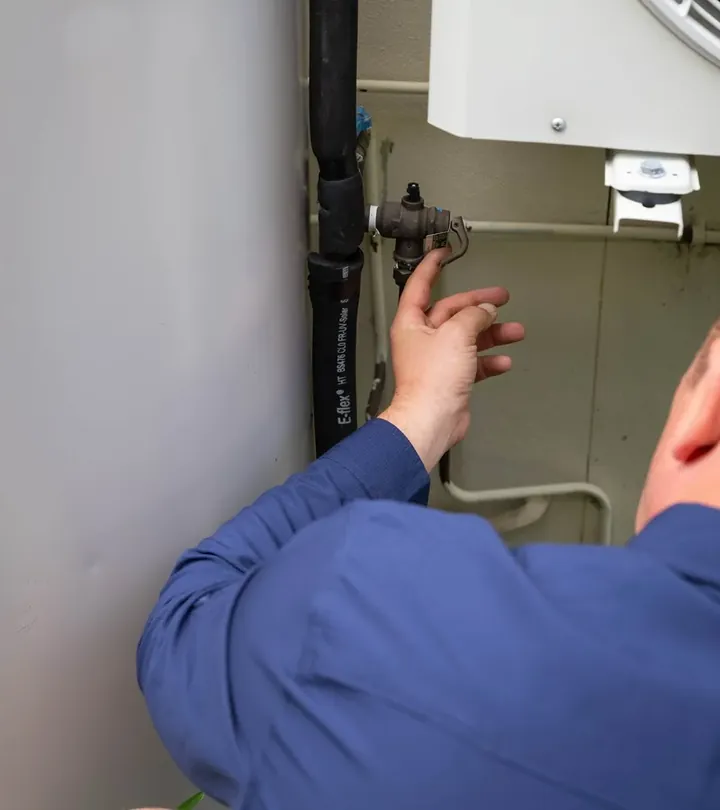
Anodes, relief valves and the booster wear like any other system, and collectors benefit from an occasional clean. A service every couple of years catches small faults early.
Leaking valves, a failed booster element, a pump that has stopped, a controller that does not respond. We find the cause first, then repair with the right part.
The older parts of Caboolture have a mix of roof pitches and tank positions from earlier solar installations, and the newer estates from Morayfield to Bribie Island tend to have simple pitched roofs that suit a split system. Roof access and the booster's power or gas supply are the two things that most change the price.
A solar system on tank water, common on the rural blocks around Wamuran and Woodford, needs its anode watched more closely.
The assessment comes first, because a system that is the wrong size or in the wrong place never performs.
Tell us the system type, roughly how old it is and what it is doing. Send a photo of the rating plate if you can.
The plumber tests the element, thermostat, valves or burner and looks at the tank and the connections before saying repair or replace.
Repair is priced first. If the unit is not worth repairing, you get the replacement options with their prices before deciding.
The repair or the new unit is installed, tested with water running and explained. The old unit leaves with us on a replacement.
Yes, with the booster doing more of the work on short or cloudy days. A correctly sized system still gets most of its heat from the sun through a Caboolture winter.
Both cost far less than an electric tank. A heat pump is usually cheaper to install and works in any weather; solar produces the cheapest water on sunny days. We compare both for your roof and household.
Eligible solar and heat pump systems attract federal small-scale technology certificates, which reduce the price at purchase. Other schemes change; we confirm what applies when we quote.
Yes. Boosters, valves, pumps, controllers and collector connections are all repairable, and we tell you honestly when a tank has reached the end of its life.
Call 1300 568 203 or book online for a roof assessment and a straight comparison against a heat pump.