
Rotten-egg smell
Gas is odourised so leaks can be smelt. Any persistent gas smell indoors means turn it off, ventilate and leave.
A gas leak is not a job to put on a list. Caboolture Plumbing and Hot Water attends gas leaks across Caboolture and the Moreton Bay region as licensed gas work: the leak is located with electronic detection and a pressure test, repaired, and the whole system is tested again before the gas goes back on.
Do these before anything else.
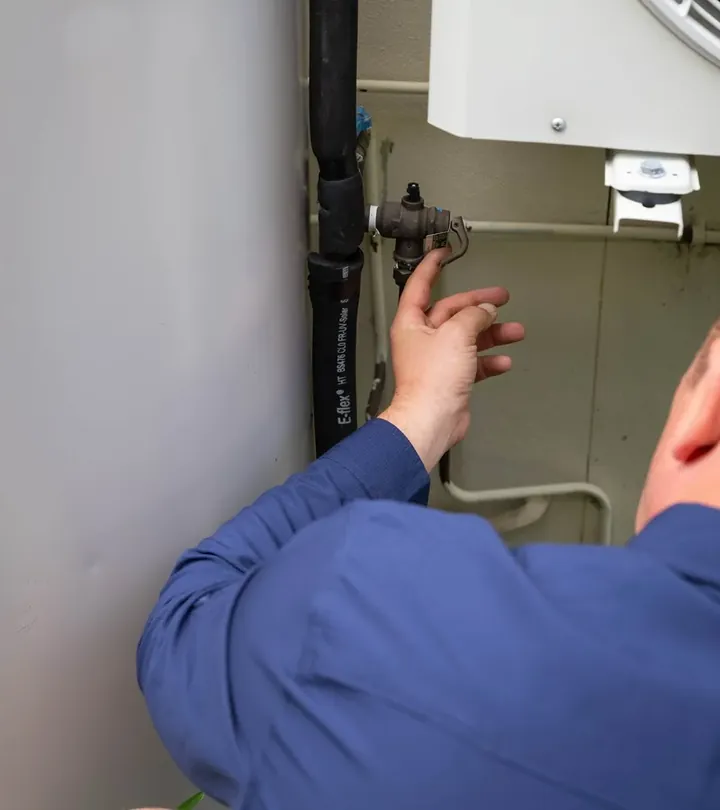
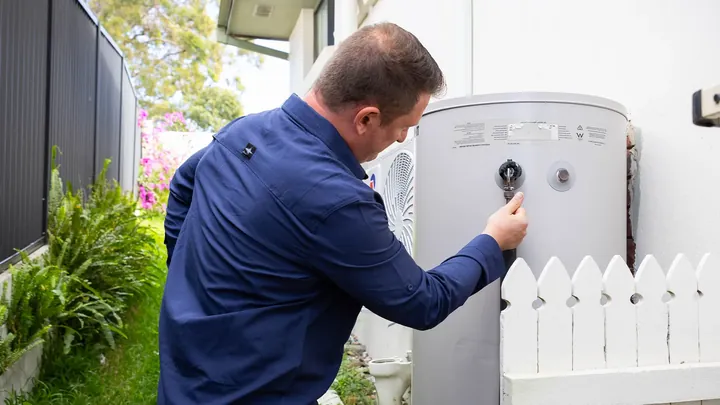
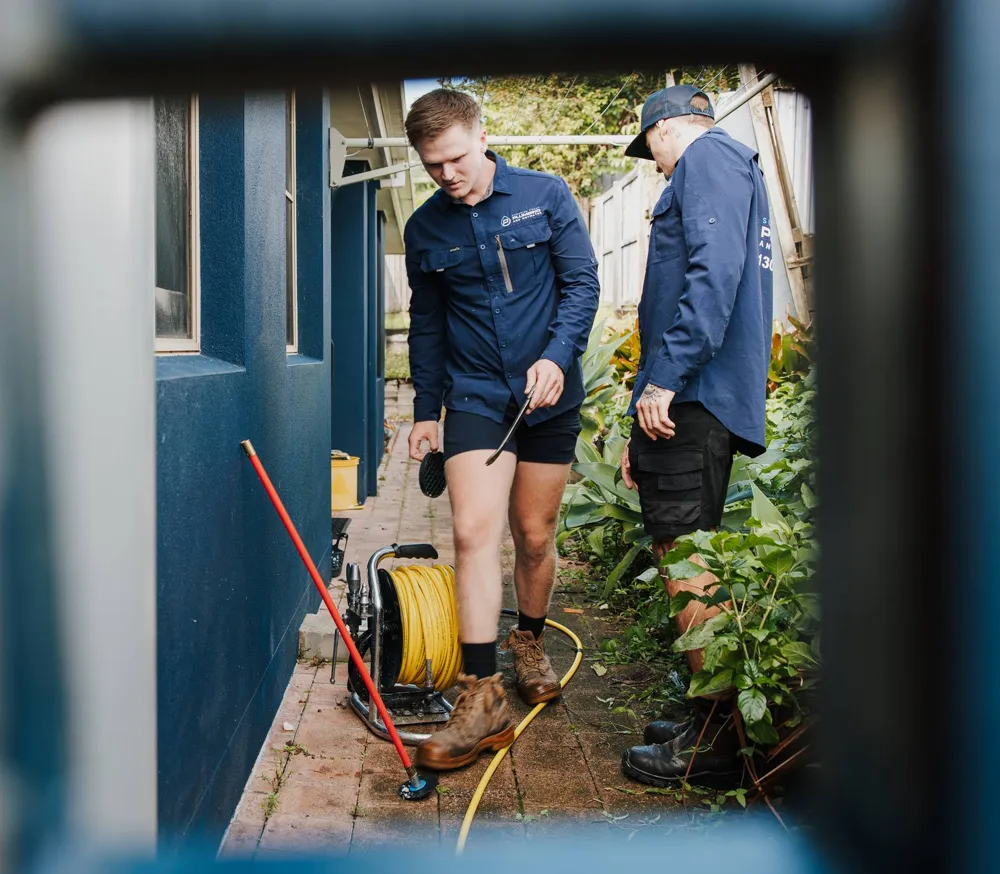
Gas is odourised so leaks can be smelt. Any persistent gas smell indoors means turn it off, ventilate and leave.
Gas escaping under pressure makes a sound. If you can hear it, the leak is significant.
Grass dying along a strip above a buried gas line can mean a slow underground leak.
Bubbling in mud or a puddle near a gas line after rain is gas escaping from below.
Symptoms that clear when you leave the house warrant an immediate check.
Gas use that rises with no change in habits points to a slow leak somewhere on the system.
A gas detector traces the leak to a fitting, a joint, a wall cavity or a buried section, including leaks too small to smell.
The system is isolated and pressure tested to confirm the leak and, after the repair, to confirm it is gone.
A corroded section, a failed joint, a damaged fitting or a pipe disturbed by ground movement is repaired or replaced.
The repaired system is certified and the gas is turned back on with the appliances checked.
Older homes in Caboolture South, Bellmere and around the town centre can have gas pipework that is decades old, and corrosion at joints and fittings is the usual cause there. In the newer estates at North Lakes and Mango Hill the pipes are newer but buried lines are disturbed by fencing, landscaping and ground movement in the reactive clay found across parts of the region.
Flexible appliance hoses past their service life and regulators that have failed are the other common sources, and both are found quickly with the detector.
The gas stays off until the repair is tested. That is the rule, and it is why the certificate matters.
Tell us the appliance or the fault. If you smell gas, turn it off at the meter or bottle, open the windows and call from outside.
The gas fitter checks whether the line can carry the new appliance, or tests the system to find the leak.
You get the price before pipe is run or a fitting is replaced.
The installation is pressure tested and a certificate of compliance is issued for gas work in Queensland. You are shown the isolation valve before we leave.
For a leak at the meter or in the street, the gas distributor. For a leak on your side of the meter, in the house pipework or at an appliance, a licensed gas fitter. If you are not sure, turn the gas off, get outside and call us; we will tell you which it is.
Soapy water on a fitting will show a leak at that fitting, but it will not find a leak in a wall or underground and it is not a substitute for turning the gas off. Leave the gas off and let a gas fitter test the system.
Yes. Gas that builds up in an enclosed space is the danger, and a small leak in a cupboard or a roof space can do that. Treat every leak as urgent.
Only until the repair is made and the system passes a pressure test. Most fitting and joint repairs are done on the one visit.
Turn the gas off at the meter, get outside and call 1300 568 203. Booking online is for non-urgent gas work only.