
Gutters overflow in rain
If the gutters are clean and still spill over, the downpipe or the line it feeds is not taking the water away.
Caboolture gets its rain in heavy bursts, and a stormwater system that is half full of silt copes with a shower and fails in a storm. We clear pits, downpipes and underground lines, find any collapsed sections with the camera, and get water moving away from the house before the next downpour.
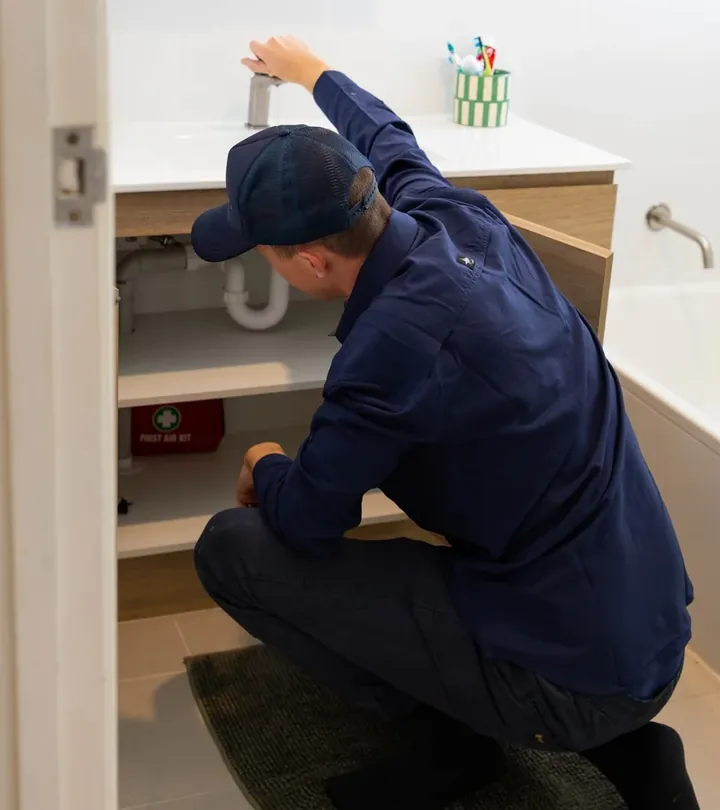
If the gutters are clean and still spill over, the downpipe or the line it feeds is not taking the water away.
A pit or surface drain that fills and stays full is blocked below the grate or further down the line.
Water rising back out of the base of a downpipe means the underground connection is blocked.
Water that cannot get away ends up against the slab or under the house, which is where damage starts.
Air trapped behind a blockage makes noise as water forces past it. Silt and leaves are the usual cause.
A cracked stormwater line leaks into the ground around it and washes soil away below the surface.
Pits collect leaves, dirt and sludge. We empty them and clear the outlet so the underground line takes water again.
Blockages at the gutter outlet and at the underground connection are both common. We clear from the top and check the flow through to the outlet.
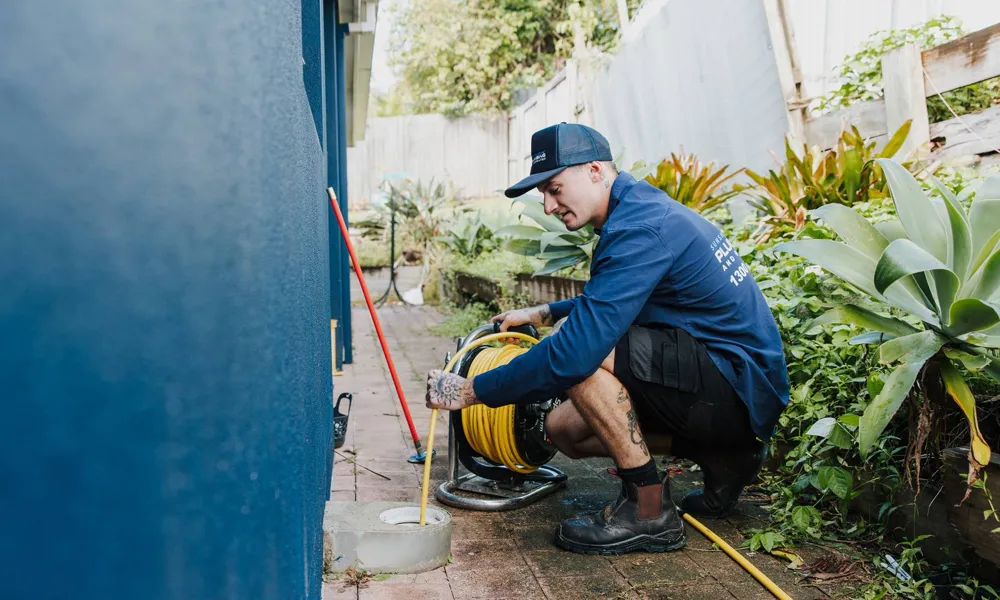
Blocked downpipesRoots, silt and compacted leaves are cut and flushed with the jetter. The camera shows any crushed or separated section.
A collapsed or back-falling section is repaired or relaid so water runs to the discharge point instead of sitting in the pipe.
Roof water runs from the gutters into downpipes, then into underground pipes that carry it to a kerb outlet, a soakage pit or the council system. Surface water from driveways and lawns enters through grated pits. Each part has to be clear for the whole system to work.
Most blockages we see are leaves and silt at the pits and downpipe outlets, roots in older lines, and lines that were never cleared of builder's debris on newer blocks. A pipe that has settled and now runs back towards the house holds water and silts up faster than one with proper fall.
The stormwater and sewer systems are separate. Stormwater must never be connected to the sewer, and a sewer problem is dealt with on its own page.
Stormwater lines block with silt over months and fail in the first big storm, so clearing them in the dry season is the cheapest time to do it.
Clearing the pit is only part of the job. The line has to carry water all the way to the outlet, so we confirm that before we leave.
Tell us which drains are affected and whether water is coming up anywhere. That decides what goes on the van.
The plumber checks the fixtures, the overflow gully and the inspection openings, and runs the camera when the cause is not obvious.
You get the price for the clear before we start. Relining or replacement is quoted separately if the camera shows damage.
The line is cleared, checked with water running and, where damage was involved, inspected again with the camera. You are told what caused it.
The pipes, pits and downpipes on your property are the owner's responsibility. Council looks after the kerb, the street drains and the public system they discharge into. Unitywater handles sewerage and water supply, not stormwater.
Lifting the grate and scooping out leaves and silt is worth doing before every storm season. If the pit still fills and drains slowly after that, the blockage is in the underground line and needs a jetter.
The underground connection at the base of the downpipe is blocked, usually with leaves and silt that washed down over time. Clearing from the gutter end will not shift it; the line has to be jetted from below.
On a block with mature trees, an annual clear before summer keeps the lines free. Newer estates with little tree cover often go years between clears, but the pits still need emptying.
Do not wait for the next storm to test it. Call 1300 568 203 or book online and we will clear the line and check the pits and downpipes with it.