
The meter turns with everything off
Turn every tap off, then watch the meter. If it moves, water is leaving the system somewhere.
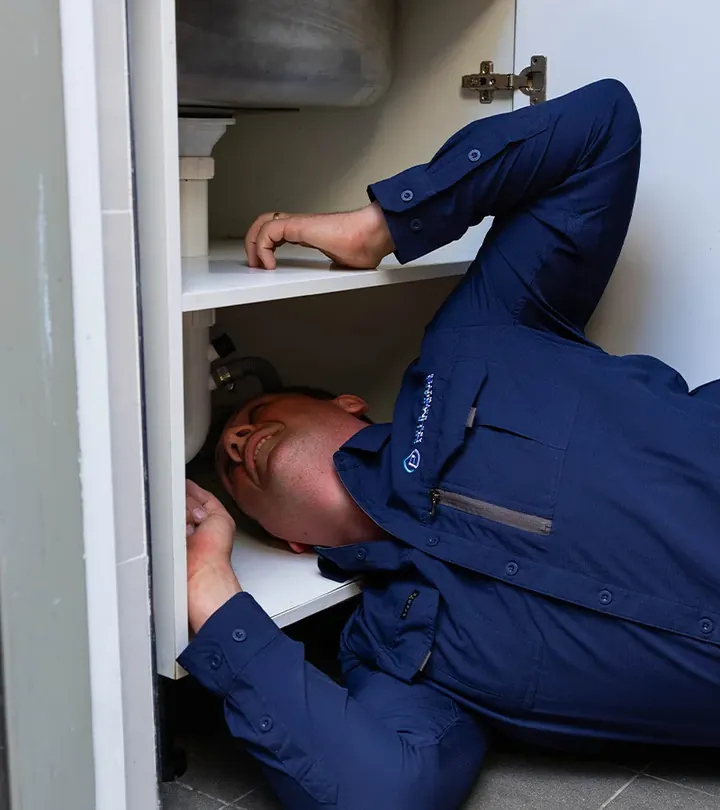
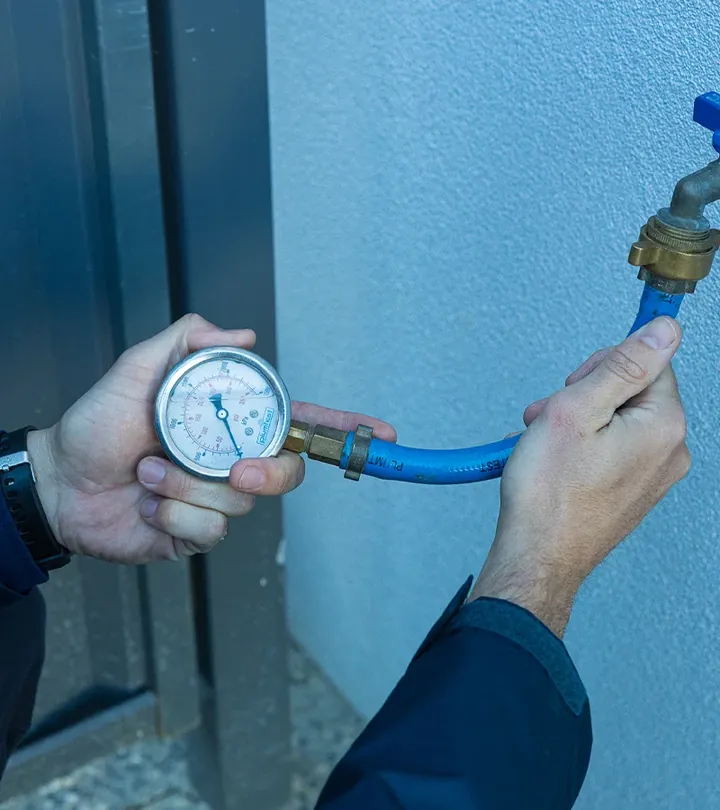
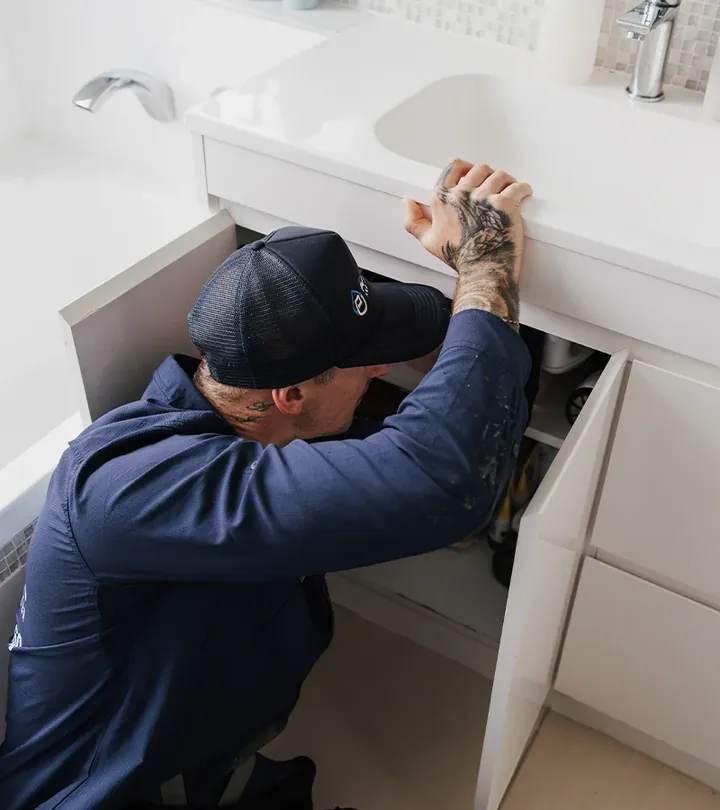
Most leaks that cost real money are the ones you cannot see: a pressurised pipe under the slab, a drip inside a wall, a garden line leaking into the soil. Caboolture Plumbing and Hot Water locates them with pressure testing, acoustic listening and thermal imaging, so the repair is targeted and the walls, floors and paving stay intact wherever possible.
Turn every tap off, then watch the meter. If it moves, water is leaving the system somewhere.
Unitywater bills that rise with no change in habits are the most common reason people call us.
A hot water line leaking under the slab warms the tiles above it. A cold line makes a damp patch.
Water tracking through a wall or ceiling shows up as discolouration long after it started.
A leaking garden or supply line feeds one strip of grass better than the rest.
Pressure bleeding away through a leak, or the sound of water when nothing is on.
Sections of the system are isolated and tested to confirm which line is losing water and roughly where.
Ground microphones pick up the sound of pressurised water escaping, even through concrete and compacted soil.
An infrared camera shows temperature differences behind walls and under floors where a leak is wetting the structure.
A pipe camera for drains and moisture meters to trace the path of a slow leak through a wall cavity.
Gas leaks are a separate, urgent service. If you smell gas, turn it off at the meter and see the gas leak page.
Homes built on a concrete slab, which is most of the newer estates from Morayfield to North Lakes, hide their water lines under the floor. A slab leak there announces itself as a warm patch, a rising bill or a crack in the tiles, and finding it with instruments is far cheaper than cutting the slab in the wrong place.
Older homes near the town centre and the rural blocks around Wamuran and Elimbah often have long galvanised or poly supply lines from the meter that corrode or split underground. Those are found by pressure test and acoustic listening along the run.
The visit ends with the leak marked and a price for the repair, not a guess about where to start digging.
Tell us what you have noticed: a wet patch, a bill that jumped, a meter that keeps turning. That sets the equipment we bring.
Pressure testing, acoustic listening and thermal imaging narrow the leak to a spot before anything is opened.
The repair is priced once the leak is found, so you know the cost before a wall or a slab is touched.
The section is repaired, the system is pressure tested again, and you are shown that the meter has stopped moving.
Turn off every tap and appliance that uses water, note the meter reading, wait half an hour without using water and read it again. Any movement means a leak. That check is free and tells us to bring the detection gear.
Yes. Slab leaks are located with pressure testing, thermal imaging for hot lines and acoustic listening. The floor is only opened at the marked spot.
Unitywater has a concealed leak process that may adjust part of a bill once the leak is repaired by a licensed plumber and documented. We give you the report you need to apply; the decision is theirs.
Yes. Once the leak is located and priced, the repair is done by the same plumber, and the system is pressure tested again afterwards.
Do the meter test, then call 1300 568 203 or book online. Tell us the reading and we will bring the detection equipment.